
Analysis Tools and the Importance of Data Visualization for Digital Marketing in the Philippines
Understanding the Role of Analysis Tools
In today’s fast-paced digital landscape, effective marketing strategies rely heavily on data analysis and visualization. For businesses in the Philippines, leveraging analysis tools can mean the difference between success and obscurity. These tools help marketers comprehend complex data sets, enabling them to make informed decisions about their audience, product offerings, and overall strategy.
Why Data Visualization Matters
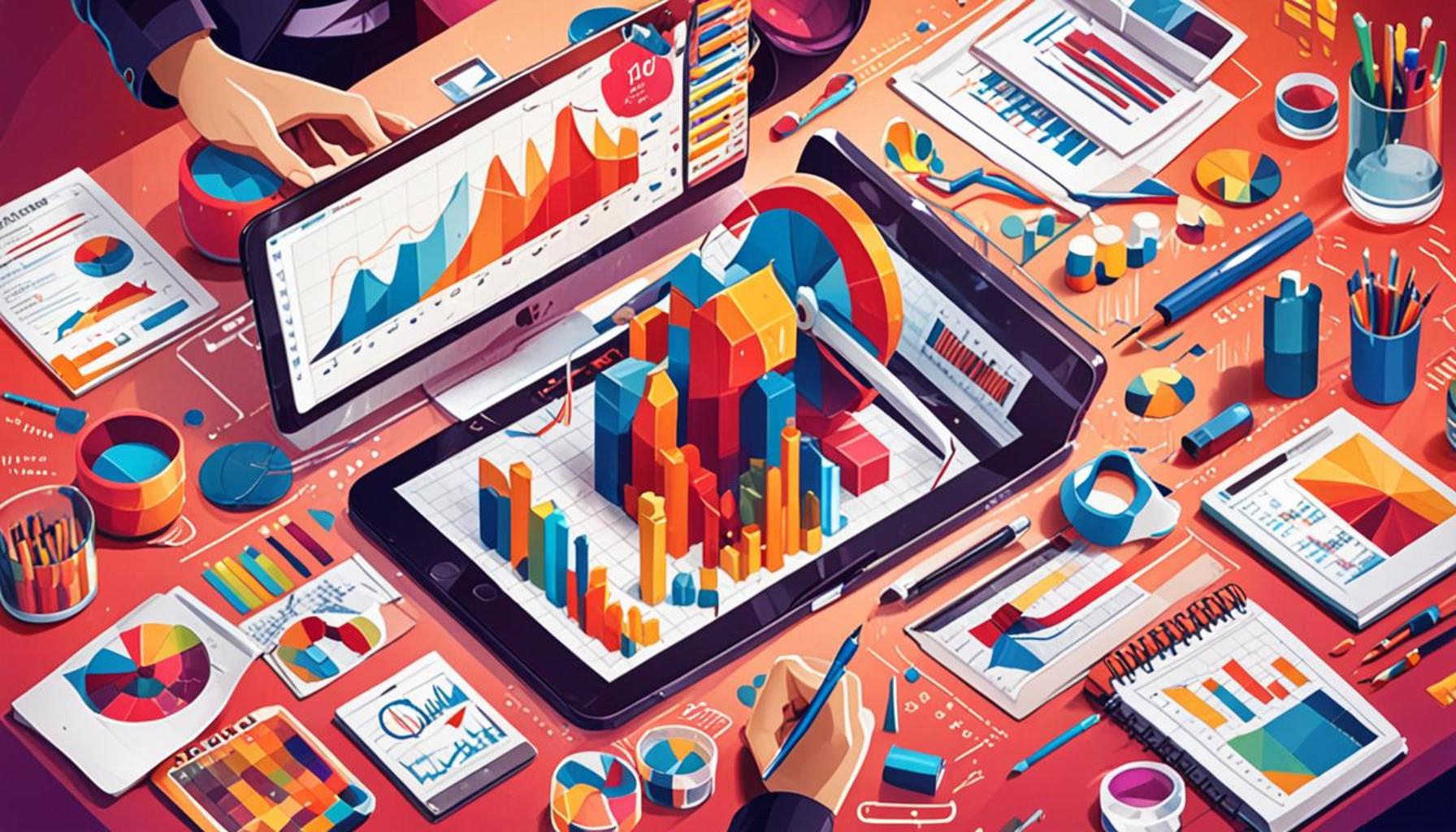
Data visualization simplifies the understanding of trends and patterns, presenting crucial information in an accessible format. For instance, consider a local fashion retailer analyzing customer buying patterns. By utilizing analysis tools, they can create charts that display peak purchasing times, favorite styles, and demographic insights, translating numbers into visual stories.
Some benefits of data visualization include:
- Clarity: Transforming raw data into visuals allows marketers to quickly grasp insights. For example, a pie chart may illustrate how much each product category contributes to total sales, making it easier to identify top performers at a glance.
- Engagement: Eye-catching graphics can capture the audience’s attention more effectively than text alone. Infographics shared on social media platforms can increase engagement, leading to higher shares and interactions, particularly in markets like the Philippines where social media usage is high.
- Efficiency: Visual representations speed up the process of analyzing data and communicating findings. Marketers can present research reports to stakeholders using clear, colorful visuals, facilitating quicker decisions and collaborative discussions.
In the Philippine market, where diversified consumer preferences exist, employing these tools is invaluable. Cultural factors, such as regional festivals or trends in social media, can significantly influence shopping behaviors. Analysis tools that offer visual insights can highlight these variations, helping businesses tailor their products and marketing strategies accordingly.
Additionally, tools like Google Analytics, Tableau, and Microsoft Power BI have made it easier to analyze website traffic, sales figures, and customer behavior. By integrating these analysis tools and focusing on data visualization, businesses can enhance their marketing strategies, improve customer engagement, and ultimately drive growth in this dynamic market.
In conclusion, the effective use of data analysis and visualization is crucial for marketers in the Philippines. By harnessing the power of analysis tools, businesses can better understand their consumers, make informed decisions, and stay ahead of the competition in an ever-evolving landscape.
SEE ALSO: Click here to read another article
The Power of Data Tools in Digital Marketing
Digital marketing in the Philippines is rapidly evolving, and the role of analysis tools is becoming increasingly critical. These tools can transform raw, complex data into actionable insights, guiding marketers to craft targeted campaigns that resonate with their specific audiences. For instance, with tools like Google Analytics, businesses can gain deep insights into website traffic, revealing valuable information about user demographics, preferences, and behaviors. This understanding is essential for local businesses looking to cater to the diverse cultural landscape of the Philippines.
Key Analysis Tools and Their Functions
To navigate the digital marketing terrain effectively, understanding and utilizing various analysis tools is imperative. Here are some of the key analysis tools that are transforming the way marketers operate in the Philippines:
- Google Analytics: This powerful tool provides real-time data on website performance, user engagement, and traffic sources. Marketers can track key performance indicators (KPIs) such as page views, bounce rates, and conversion rates, allowing them to adjust their strategies based on hard data.
- Facebook Insights: Considering the high penetration of social media in the Philippines, Facebook Insights allows businesses to analyze user engagement on their Facebook pages. By assessing post reach, likes, and comments, marketers can optimize their content strategy and better connect with their target audience.
- Tableau: This tool helps in visualizing data effectively by creating interactive dashboards. It allows marketers to transform complex datasets into intuitive visuals, making it easier to identify trends and correlations that could inform strategy.
- SEMrush: This comprehensive SEO tool offers insights into competitors’ strategies, keyword rankings, and more. Marketers can use this data to improve their online visibility and tailor their content to align with trending topics in the Philippines.
The integration of these tools into digital marketing practices not only enhances decision-making but also fosters a data-driven culture within organizations. In a country where regional preferences and cultural nuances significantly impact consumer behaviors, being proactive in understanding the data can provide businesses with a competitive edge. For instance, during the festive seasons such as Sinulog in Cebu or during the Christmas season, analysis tools can highlight shifts in purchasing behaviors, allowing retailers to capitalize on opportunities unique to their local markets.
Moreover, the visual aspect of data representation is crucial. Marketers today need to convey insights to stakeholders in a clear and compelling manner. By utilizing visuals, businesses can tell a story with their data, not only making it easier to understand but also engaging their audience more effectively. This visual storytelling approach is particularly important in the Philippines, where creativity and aesthetics are highly appreciated in marketing.
In summary, the effective use of analysis tools in digital marketing provides an invaluable resource for companies in the Philippines. By embracing these tools and focusing on data visualization, marketers can enhance their strategies, engage their audiences, and ultimately drive success in a competitive landscape.
CHECK OUT: Click here to explore more
The Role of Data Visualization in Enhancing Marketing Strategies
While analysis tools provide essential data, data visualization takes these insights a step further by transforming numbers and statistics into visual formats that are easier to understand and interpret. In today’s fast-paced digital marketing environment, where marketers must analyze vast amounts of data, effective visualization becomes a game-changer. For marketers in the Philippines, employing data visualization can significantly enhance their marketing strategies.
Effective Communication through Visualization
In the Philippines, where communication styles vary greatly across regions and cultures, using visuals to present data can bridge gaps and ensure that all stakeholders are on the same page. Visual aids, such as graphs, charts, and infographics, allow businesses to communicate complex information simply and efficiently. For example, a marketing team can present social media engagement metrics through colorful charts, highlighting the best-performing posts or the most engaged audience segments. This clarity ensures that everyone from team members to executives understands the findings, fostering collaboration and informed decision-making.
Making Data-Driven Decisions
Data visualization is also crucial for making informed marketing decisions. By visualizing trends, patterns, and correlations within data, businesses can quickly decipher what actions to take. For instance, a fashion retailer in Manila may find that certain styles sell well during specific months, as illustrated by seasonal sales graphs. This insight can lead to more effective inventory management and promotional planning, allowing for optimal stock levels right before peak shopping periods such as the back-to-school season or holiday celebrations in December.
Local Market Adaptation and Targeting
Moreover, visual data can help marketers tailor their campaigns to the local market more effectively. By analyzing audience demographics through tools like Google Analytics, marketers can identify preferences and behaviors within various regions of the Philippines. For instance, if a campaign shows that consumers in Visayas prefer vibrant and colorful branding, a local business might adapt their advertising style to match these preferences. Using heat maps and geographic data visualizations can also pinpoint locations with high engagement, guiding where to allocate marketing resources.
Engaging Audiences with Interactive Data
Beyond static visuals, interactive data visualization can engage audiences further. Tools such as Tableau or Google Data Studio allow marketers to create interactive dashboards that let users explore data based on their interests. A digital agency in Cebu might build an interactive map showing the success of geographical campaigns, allowing clients to engage with the data dynamically. This level of engagement not only captivates stakeholders but also promotes a deeper understanding of the impact of marketing efforts.
In essence, combining analysis tools with effective data visualization empowers marketers in the Philippines to create data-driven, engaging, and culturally relevant campaigns. By continuously utilizing these approaches, businesses can refine their strategies and stay ahead of market trends, ultimately leading to better customer relationships and increased sales.
SEE ALSO: Click here to read another article
Conclusion
In conclusion, the integration of analysis tools and data visualization represents a pivotal strategy for digital marketers in the Philippines. As the digital landscape evolves, accessing and interpreting large datasets becomes essential for staying competitive. Through effective visualization techniques, marketers can convey complex insights in a manner that is not only accessible but also engaging, enabling teams to communicate effectively across diverse audiences and drive informed decision-making.
Moreover, utilizing visualization to tailor marketing strategies ensures that campaigns resonate with local consumer behaviors and preferences. Marketers can adapt their approaches based on visual data insights, enhancing their relevance within varied cultural contexts. For instance, understanding regional preferences, as illustrated through heat maps, allows brands to allocate resources effectively and refine their marketing messages to align with audience expectations.
As the demand for interactive and visually-driven content increases, businesses equipped with data visualization tools can engage audiences more profoundly. This level of engagement translates into stronger customer relationships and ultimately drives growth. By adopting a data-centric mindset and leveraging visualization as a key tool, marketers in the Philippines will not only enhance their strategies but also pioneer innovative approaches that lead to sustained success in an ever-evolving market landscape. Embracing this combination of analysis and visualization is no longer optional; it is a necessity for thriving in the contemporary digital marketing environment.

Linda Carter
Linda Carter is a writer and marketing specialist who helps businesses and entrepreneurs build strong brands and effective growth strategies. With extensive experience guiding companies to increase their market visibility and make data-driven decisions, she shares practical marketing insights on our platform. Her goal is to empower readers with actionable advice and proven techniques to achieve sustainable business growth and marketing success.