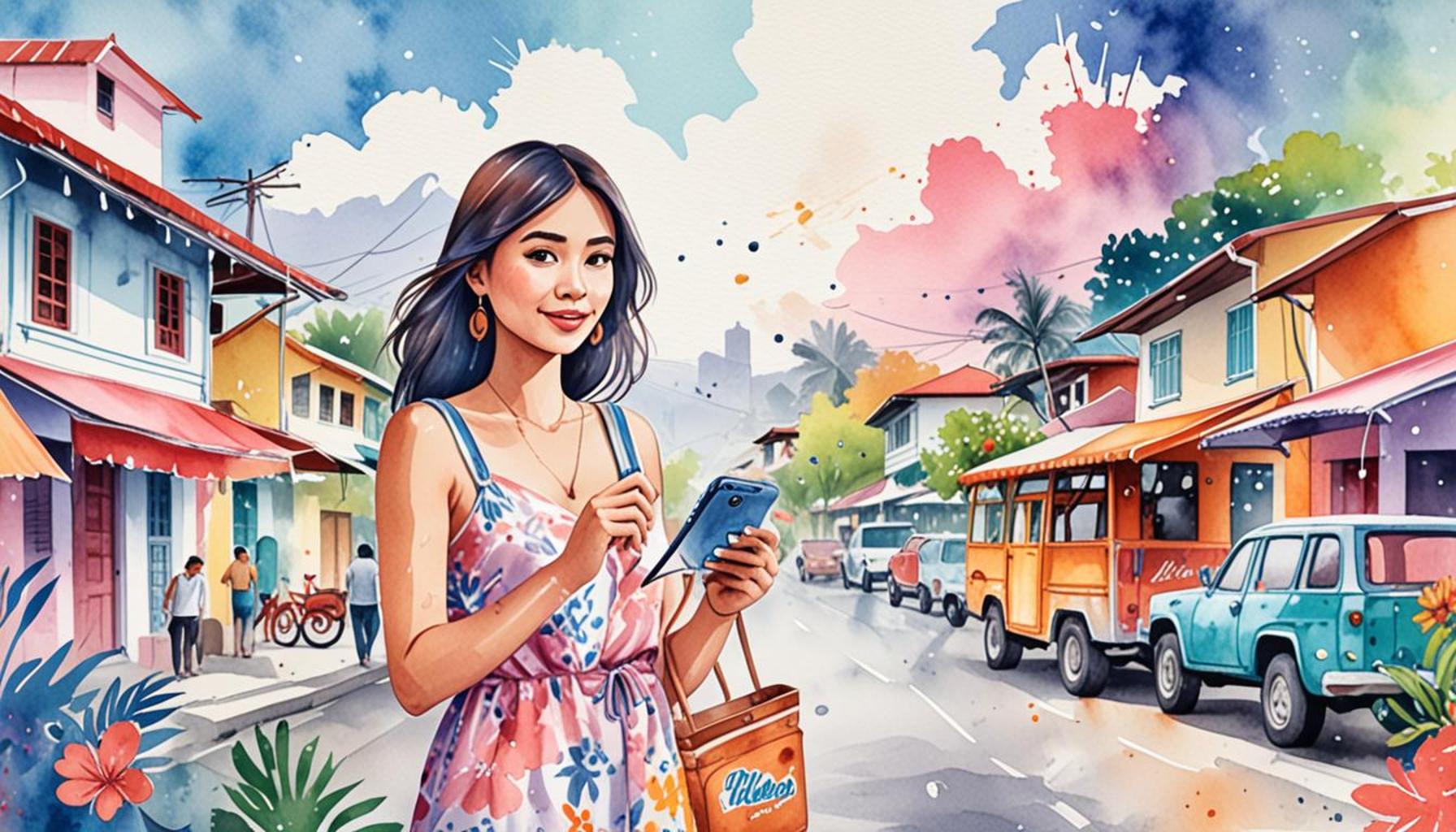
How Local Culture Influences Content Creation in the Philippines
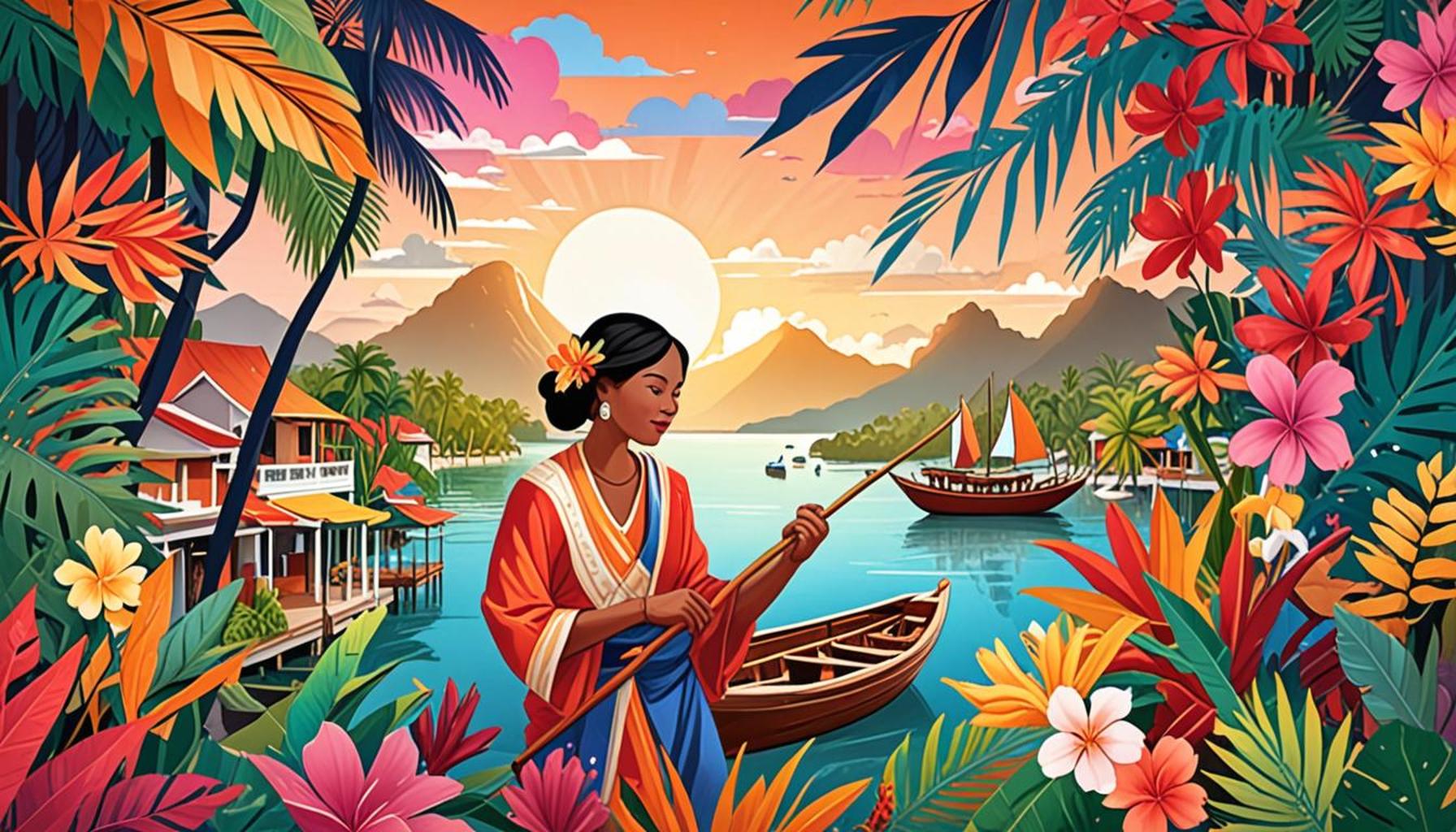
Understanding the Influence of Local Culture
Content creation in the Philippines is a reflection of the rich tapestry of its diverse cultures. With a significant number of languages, traditions, and community values, each piece of content produced is steeped in local significance. This intricate relationship between culture and content not only enhances creativity but also shapes the audience’s experience, making it more relatable and meaningful.
Linguistic Diversity
The Philippines boasts over 170 languages, providing a myriad of voices and narratives. This linguistic richness allows content creators to reach different audiences effectively. For example, a local blogger writing about traditional cooking can share recipes in Tagalog, Cebuano, or Ilocano, depending on their target audience. This not only promotes regional dialects but also ensures that stories resonate more deeply with specific communities. Filmmakers often use various dialects in their scripts to enhance authenticity, creating films that reflect real-life dialogues in different provinces.
Traditions and Festivals
Local traditions and festivals, such as Sinulog in Cebu or Pahiyas in Quezon, serve as a rich source of inspiration for content creation. These events are not merely celebrations; they encapsulate the cultural identity and historical richness of the regions. For instance, Sinulog, known for its vibrant street dances and colorful parades, sparks a wave of content from videos showcasing performance arts to blogs detailing the history behind the festival. Content creators leverage these moments to engage audiences on social media platforms, creating a buzz that amplifies community pride and awareness.
Community Values
The Filipino concept of Bayanihan embodies the spirit of community cooperation and help. This value encourages content creators to collaborate on projects, share resources, and promote one another’s work. For example, community-driven initiatives, like local podcasts, often invite different speakers to share their experiences and insights, enriching the overall content. This collaborative approach not only strengthens community bonds but also fosters a sense of belonging among creators and their audiences.
In summary, the interconnection between local culture and content creation in the Philippines leads to a vibrant and dynamic content ecosystem. As creators tap into their cultural heritage, they not only celebrate tradition but also innovate, ensuring that their content resonates with the everyday lives of Filipinos. By exploring specific examples within this context, one can appreciate the nuances and depth that local traditions, languages, and community values bring to the creative process, thereby enhancing the overall impact and relevance of the content produced.
SEE ALSO: Click here to read another article
The Role of Cultural Heritage in Content Creation
Understanding how local culture influences content creation in the Philippines involves delving into various elements that shape the narratives and styles of expression in the creative realm. From ancient traditions to modern practices, Filipino culture serves as a foundational pillar that informs the artistic direction and thematic choices of creators. By weaving local stories, experiences, and customs into their content, creators foster a sense of unity and pride within their communities.
Visual Storytelling through Art Forms
Art has always been an intrinsic part of Filipino culture, with traditional forms such as painting, sculpture, and weaving being celebrated for their beauty and meaning. Content creators often draw inspiration from these art forms, integrating visual elements into their projects. For instance, a social media influencer might feature local artisans in their posts, showcasing products that highlight traditional weaving techniques from the Cordillera region. This not only promotes local craftsmanship but also educates audiences about the cultural significance behind these art forms.
Many creators incorporate visual aesthetics reflective of Filipino culture into their content, such as using vibrant colors and patterns. These artistic choices resonate with audiences by creating visually appealing representations that are instantly recognizable and relatable. This, in turn, builds cultural pride and helps consumers feel more connected to the content being produced.
Cultural Narratives in Digital Media
Another significant influence of local culture on content creation can be observed in the storytelling methods used across various digital media platforms. Content that taps into local myths, folklore, and historical events captivates the audience by presenting familiar themes and characters that resonate on a personal level. Some of the most compelling stories might include:
- The Legend of Maria Makiling: A popular myth that narrates the tale of a diwata (fairy) who protects the forests of Mount Makiling.
- Historical Figures: Stories about heroes like Jose Rizal and Andres Bonifacio, who fought for independence, form a substantial part of educational content and serve as motivation for younger generations.
- Life in Rural Communities: Capturing the simple yet rich lives of Filipinos in the provinces offers a relatable backdrop for narratives, often highlighting values such as hospitality, resilience, and family ties.
These narratives not only reflect local culture but also create an avenue for dialogues about pressing social issues. Content creators often interweave discussions about modern challenges with lessons from traditional lore, resulting in content that is both entertaining and thought-provoking.
In conclusion, the intersection of cultural heritage and content creation in the Philippines leads to a rich and intricate tapestry of expressions. By exploring art forms and employing local narratives, Filipino creators imbue their work with authenticity and depth, ensuring that their messages resonate and inspire their audiences. As we move forward, it is essential to recognize and support these cultural expressions that contribute to the vibrant landscape of Philippine content creation.
SEE ALSO: Click here to read another article
Language and Dialect as Catalysts for Connection
The rich linguistic diversity in the Philippines, comprising over 175 languages and dialects, significantly influences how content is created and consumed. Language shapes cultural identity, and by utilizing local dialects in content creation, artists, writers, and influencers establish a deeper connection with their target audience. For example, a vlogger sharing experiences in Cebuano or Ilocano allows viewers to relate on a more personal level, fostering engagement and community among speakers of that dialect.
In practice, brands often incorporate local language into marketing campaigns to appeal to regional audiences. A well-known fast-food chain recently employed a viral campaign featuring popular slang and colloquial expressions in Tagalog, which resonated with the Filipino youth. This approach not only captures attention but also builds a sense of belonging, inviting consumers to be part of a larger cultural narrative.
Celebration of Festivals and Local Events
Cultural festivals and regional events offer a treasure trove of inspiration for content creators. Events like Sinulog, Ati-Atihan, and Pahiyas provide opportunities to highlight local traditions, customs, and creativity. Many content creators seize these occasions to produce vibrant visuals, documentaries, or social media posts that reflect the festivities, attracting both local and international audiences.
For instance, photographers and videographers often capture the vibrant parades and elaborate street performances during these festivals, showcasing not only the visual spectacle but also the stories and meaning behind the celebrations. By doing so, they foster appreciation for Filipino culture from a global perspective and help instill a sense of pride among locals.
Influence of Current Events on Content Themes
Local culture is not only tied to historical narratives and traditions but is also dynamically influenced by current events. Issues such as environmental concerns, political developments, and social justice movements often find their way into the narratives constructed by content creators. In recent years, many Filipino influencers have used their platforms to address problems like climate change and advocacy for indigenous rights, utilizing personal stories and local context to build compelling narratives.
This integration of current events into content creation helps foster civic engagement and encourages audiences to take action or reflect on societal issues. For instance, a popular YouTube channel may create a mini-documentary about the plight of farmers adversely affected by land disputes, driving public awareness while educating viewers on the importance of sustainable agricultural practices.
Artistic Collaborations and Community Building
The collaborative spirit of Filipino culture manifests strongly in the content creation scene. Artists, musicians, and creators from different backgrounds often come together to produce content that celebrates their shared heritage. Collaborations between musicians and visual artists have become increasingly popular, with projects that fuse elements of traditional Filipino art with modern music styles, thus bridging generational gaps and fostering community connections.
These collaborations also extend to social initiatives, where creators utilize their talents to support local charities or community drives. For example, local influencers might organize events that gather funds for disaster relief, infusing local culture into their outreach efforts and creating a network of support among fellow Filipinos.
By embracing the multifaceted nature of local culture in their work, content creators are not just producing entertaining materials; they are cultivating a sense of belonging and contributing to the preservation and advancement of Filipino identity in a rapidly changing world. This holistic approach ensures that their content remains relevant and resonant, appealing to both local and global audiences alike.
CHECK OUT: Click here to explore more
Conclusion
In summary, the interplay between local culture and content creation in the Philippines is a vibrant tapestry that highlights the nation’s rich heritage and evolving identity. The use of various languages and dialects enables creators to connect more personally with their audiences, fostering a sense of belonging and cultural pride. Events such as Sinulog and Ati-Atihan serve as inspiring backdrops for showcasing Filipino traditions, while contemporary issues inject relevance and urgency into creators’ narratives.
Furthermore, the collaborative nature of Filipino artists invites innovative projects that merge traditional art with modern expressions, while also fostering community engagement through social initiatives. This collective spirit not only strengthens ties among creators but also unites audiences in support of common causes, further embedding local culture into content creation.
As the Philippines continues to navigate an interconnected world influenced by global trends, the authenticity rooted in local culture remains a powerful force in shaping content. For creators, this means embracing their unique backgrounds and experiences to tell stories that resonate both locally and internationally. By doing so, they not only entertain but also educate and inspire audiences, challenging them to reflect on their shared heritage and collective future.
Ultimately, the influence of local culture on content creation is not just about the materials produced, but about enhancing understanding and appreciation of the Filipino narrative, enriching the digital landscape with voices that truly represent the diverse soul of the archipelago.

Linda Carter
Linda Carter is a writer and marketing specialist who helps businesses and entrepreneurs build strong brands and effective growth strategies. With extensive experience guiding companies to increase their market visibility and make data-driven decisions, she shares practical marketing insights on our platform. Her goal is to empower readers with actionable advice and proven techniques to achieve sustainable business growth and marketing success.