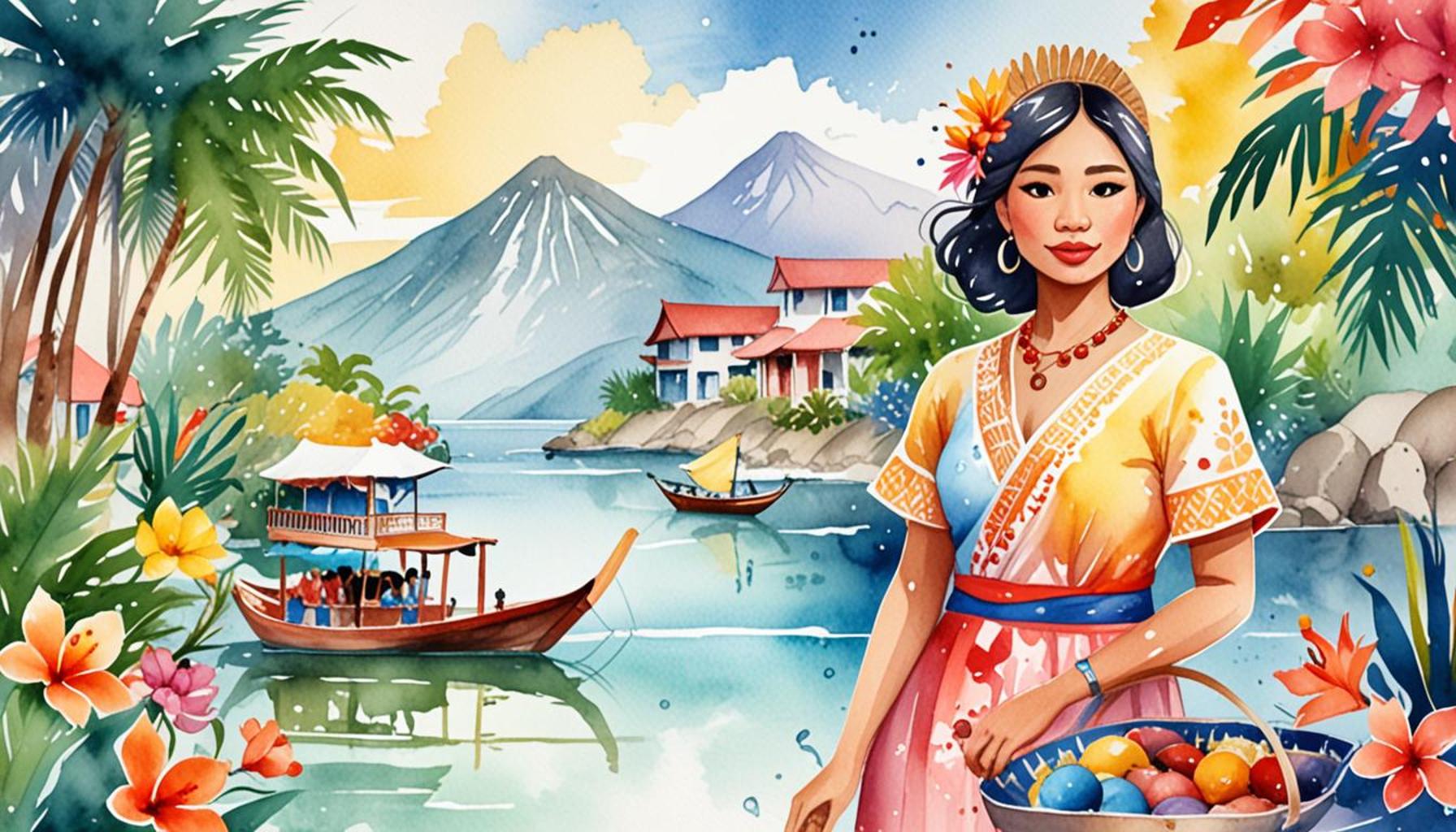
Storytelling Techniques to Engage the Filipino Audience in Digital Marketing Campaigns

The Power of Storytelling in Digital Marketing
In today’s fast-paced digital landscape, brands are increasingly looking for ways to connect meaningfully with their audiences. In the Philippines, where culture and emotions are deeply intertwined, leveraging the power of storytelling can significantly enhance engagement. Through narratives that mirror the everyday lives and shared experiences of Filipinos, brands can cultivate a more profound emotional connection, thus making their messages resonate more strongly.
Techniques for Effective Storytelling
To maximize the impact of storytelling in your marketing strategy, consider the following techniques:
- Cultural Relevance: It’s crucial to weave local elements into your narratives. For example, during the Christmas season, incorporating the tradition of “Simbang Gabi” or the joyous celebration of “Pahiyas” can help contextualize your brand within the Filipino cultural festivities. This relevance not only grabs attention but also strengthens the emotional bond with your audience.
- Emotional Appeals: Stories that stir emotions can be incredibly powerful. For instance, sharing a narrative of a family coming together during tough times, perhaps for a graduation or a significant milestone, can evoke feelings of nostalgia and unity. Brands like Jollibee famously tap into this strategy by showcasing heartwarming narratives that reflect Filipino values of family and togetherness.
- Community Focus: Highlighting stories that illustrate resilience and togetherness in the face of challenges can particularly engage the Filipino community. Brands can profile local heroes or community initiatives that showcase collective effort and support, resonating with the bayanihan spirit that is cherished in the Philippines.
Implementing these storytelling techniques not only transforms marketing campaigns into compelling narratives but also nurtures brand loyalty among Filipino consumers. An example of this can be seen in how various local brands utilize social media platforms to share authentic stories that depict their commitment to the community, such as supporting local artisans or engaging in environmental initiatives.
As you explore the world of storytelling, remember to adapt your narratives to suit different platforms, whether it’s through short videos on TikTok, immersive blog posts, or even engaging Instagram stories. Authentic and meaningful storytelling not only retains audience attention but also has the potential to convert casual viewers into loyal customers. In this way, storytelling is not just an element of digital marketing; it is an indispensable tool for building lasting relationships with the Filipino audience.
CHECK OUT: Click here to explore more
Crafting Authentic Narratives
To effectively engage the Filipino audience, storytelling must be rooted in authenticity. Whether your brand is a well-known multinational or a local business, your narrative should reflect genuine experiences that resonate with the target market. Authentic storytelling allows Filipinos to see themselves in your narrative, fostering a connection that goes beyond traditional advertisements.
Here are some key components to crafting authentic narratives:
- Relatable Characters: When developing characters for your stories, it is essential to make them relatable to the Filipino audience. Create personas that reflect common traits, struggles, and aspirations unique to Filipinos. For instance, telling the story of a hardworking Overseas Filipino Worker (OFW) striving to provide for their family can evoke empathy and connection. This approach not only tells a story but also highlights the aspirations and values of many Filipinos.
- Real-life Situations: Utilization of everyday scenarios will help your audience connect with your content. Incorporating relatable situations, such as family gatherings, local festivals, or community celebrations, can create a connection that makes them feel as if they are part of the story. For instance, a campaign that illustrates the significance of family reunions during holidays can resonate deeply, making your brand memorable.
- Visual Storytelling: Filipinos have a rich appreciation for visual content. Using local symbols, vibrant colors, and culturally relevant motifs in your marketing materials can enhance the storytelling experience. From choosing the right images that evoke emotional responses to incorporating animated videos that capture the essence of Filipino culture, visual storytelling enhances engagement and helps your message stand out in a crowded digital landscape.
Integrating these components into your storytelling can lead to impactful narratives that captivate the Filipino audience. A prime example of effective authentic storytelling is how local brands like Globe Telecom have successfully utilized the experiences of Filipinos navigating the challenges of everyday life in their ads. By genuinely portraying the struggles and triumphs of their audience, they’ve built a trustworthy relationship with consumers.
Ultimately, the goal of storytelling in digital marketing should be to foster a sense of belonging and community among the audience. By showcasing stories that highlight shared values and experiences, brands can cultivate loyalty and engagement, transforming casual viewers into advocates who feel genuinely connected to the brand. As you articulate your brand’s narrative, remember that engaging the Filipino audience is about telling stories that they can see themselves in, reflecting their lives while incorporating the colorful culture that makes the Philippines unique.
SEE ALSO: Click here to read another article
Leveraging Cultural Context
One of the most effective ways to resonate with the Filipino audience is by embedding cultural elements into your storytelling. The Philippines is a nation rich in traditions, festivals, and local customs that shape the collective identity of its people. By aligning your marketing narratives with these cultural contexts, you can create stories that are both relatable and engaging.
Here are some ways to incorporate cultural context into your storytelling:
- Festivals and Celebrations: Filipinos take pride in their vibrant festivals, whether it’s the Sinulog in Cebu, the Ati-Atihan in Aklan, or the Pahiyas in Quezon. Integrating these festivities into your narrative not only contextualizes your brand but also evokes a sense of nostalgia and joy for your audience. For example, a campaign that features a family preparing for the annual Pahiyas Festival can highlight themes of community spirit and togetherness, reinforcing your brand’s connection to local traditions.
- Regional Languages and Dialects: The Philippines is home to more than 175 languages and dialects. Using local dialects in your storytelling can create a sense of familiarity and warmth. It shows that the brand values its audience and is sensitive to their linguistic diversity. Consider using taglines or messages in the language of the region you are targeting to forge a stronger connection, like using Ilocano or Cebuano phrases that resonate more authentically with the local audience.
- Family-Centric Stories: Family is at the core of Filipino culture. Any narrative that emphasizes family values, togetherness, and support will likely strike a chord with this audience. Share stories of families supporting each other through challenges, celebrating milestones, or simply spending quality time together. An example might be a video series that captures the small moments shared during a simple family dinner, showcasing how your product enhances those precious times.
Engagement with the Filipino audience transcends mere transactions. Brands like Jollibee have exemplified how cultural elements can be woven into storytelling. Their commercials often depict family gatherings filled with laughter and love, showcasing the beloved fast-food chain as a vital part of the family’s joyful moments. These emotional ties resonate with viewers, prompting them to choose Jollibee when creating their own special memories.
Moreover, collaborating with local influencers or artists can amplify the authenticity of your campaigns. Filipino influencers possess a knack for storytelling that speaks directly to their followers. By partnering with them, you not only enhance credibility but also tap into their unique narratives that your target audience can relate to. This kind of collaboration can also amplify your campaign on social media, making it more shareable among family and friends.
In integrating cultural nuances into your digital marketing narratives, you not only enrich the storytelling experience but also create deeper emotional bonds with the Filipino audience. Listening to their stories, celebrating their local beliefs, and appreciating their uniqueness is key to fostering loyalty and engendering a sense of community around your brand.
SEE ALSO: Click here to read another article
Conclusion
In a digital landscape where consumers are constantly bombarded with messages, storytelling is a powerful tool that can differentiate your brand and foster genuine connections with the Filipino audience. The key to effective storytelling lies in understanding the diverse cultural landscape of the Philippines. With over 7,000 islands and more than 175 languages, each region boasts its own unique traditions, values, and stories. For example, stories that revolve around the vibrant Sinulog Festival in Cebu or the heartfelt narratives of family gatherings during the Christmas season can truly resonate with the Filipino spirit.
Furthermore, showcasing elements like local food, customs, and community life can create a familiar and relatable context for your audience. When a brand highlights how its products are a part of these celebrations—such as a soft drink being enjoyed during family reunions—it not only humanizes the brand but also engenders emotional ties with consumers. In this way, cultural nuances become an integral part of your brand’s narrative.
Moreover, collaborating with local influencers can add authenticity and relatability to your marketing efforts. These influencers are often seen as peers by their followers and can share personal experiences that resonate with the audience. A local influencer sharing their positive experience with a brand’s product while attending a barangay fiesta, for example, can turn an advertisement into a personal recommendation, thus enhancing the impact of your message.
As you develop your digital marketing strategies, remember that the ultimate goal extends beyond merely selling products; it is about crafting memorable experiences that drive engagement, loyalty, and a sense of community among your audience. Consider how companies like Jollibee have woven storytelling into their marketing campaigns by sharing heartwarming tales of love and family, making their advertisements not just about food but also about shared experiences that Filipinos cherish.
Ultimately, the heart of effective storytelling lies in empathy, connection, and understanding. By valuing the Filipino audience’s rich heritage and diverse experiences, brands can cultivate lasting relationships that encourage not only consumer loyalty but also brand advocacy. Embracing the art of storytelling allows brands to transform their marketing efforts into dynamic and memorable journeys, establishing connections that resonate across generations and create a lasting impact on the community.