The Role of Social Media in Social Mobilization and Activism in the Philippines
Understanding Social Media’s Role in Philippine Activism
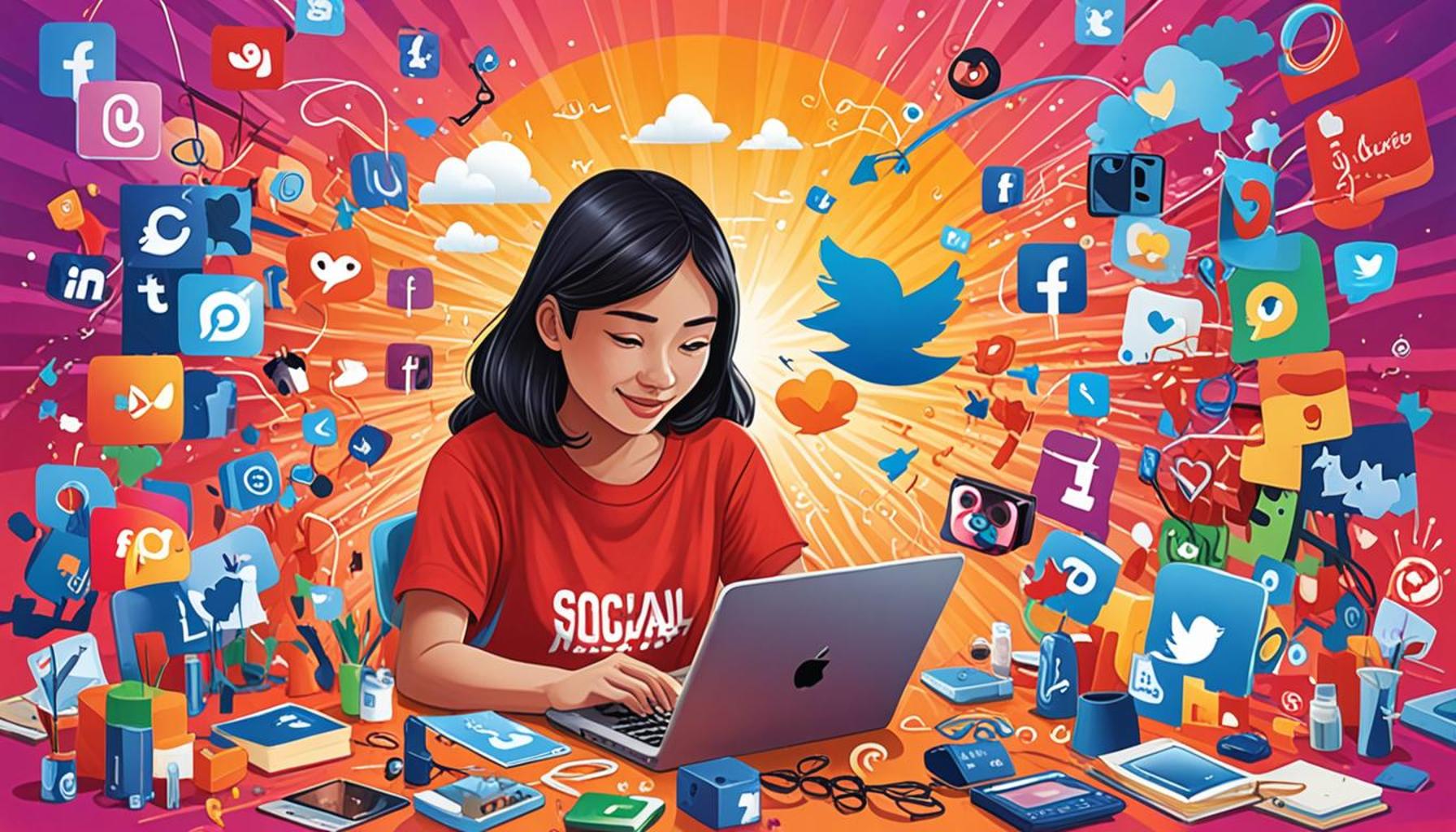
In the contemporary Filipino society, the influence of social media cannot be underestimated. Platforms like Facebook, Twitter, and Instagram are no longer just spaces for sharing personal updates or photo galleries; they have evolved into powerful tools for advocacy and social change. In the Philippines, where connectivity is robust, with over 76 million active social media users, the impact of these platforms has revolutionized the way communities organize and mobilize for various causes.
Real-time information dissemination is one of the most significant advantages of social media. For instance, during the COVID-19 pandemic, Filipino users consistently shared updates about health protocols, government responses, and personal experiences with the virus. This immediate sharing helped keep communities informed, enabling them to make quick decisions about their health and safety. The viral spread of information can serve as a double-edged sword; however, as it can sometimes contribute to misinformation, highlighting the need for critical media literacy among users.
Another critical aspect is the emergence of grassroots movements. Initiatives such as the #SaveLeni campaign, which supported Vice President Leni Robredo during the elections, showcased how people collectively raised their voices online. Local organizations, student groups, and even individuals used social media to share videos, memes, and testimonials, generating momentum that drew widespread support. This phenomenon is vital in a country where traditional media might be limited or biased, allowing grassroots voices to break through to broader audiences.
Influencer engagement amplifies social causes in ways that traditional forms of media cannot. Influencers, who are often seen as relatable figures by the younger generation, utilize their platforms to advocate for pressing issues like mental health awareness and environmental conservation. Celebrities like Lea Salonga and Pia Wurtzbach have used their reach to support various causes, helping to educate their followers and rally support for change, merging entertainment with activism effectively.
Social media has also proven invaluable during periods of crisis, especially in times of natural disasters. Platforms have been employed for disaster response, coordinating relief efforts and spreading vital information about safe zones and distribution centers. For example, after Typhoon Haiyan in 2013, social media played an instrumental role in uniting local and international responders, illustrating how digital connectivity can foster solidarity and compassion in dire times.
Lastly, political campaigns in the Philippines have been transformed through social media. Candidates are increasingly utilizing these platforms to connect with voters, share their platforms, and engage in discussions that were traditionally limited to face-to-face interactions. During the 2022 elections, many candidates demonstrated how strategic social media use could energize support bases and engage youth voters, marking a significant shift in political dynamics.
As the landscape of communication continues to evolve, the power of social media for activism in the Philippines remains profound. It offers a space for education, mobilization, and collective action, empowering individuals to voice their concerns and drive social change. As society navigates ongoing social and political challenges, the active engagement of Filipinos on these platforms will be crucial for fostering an informed and active citizenry.
CHECK OUT: Click here to explore more
The Power of Information Sharing
Social media serves as a dynamic tool for information sharing, which is particularly essential in a country like the Philippines, where timely information can be the difference between safety and danger. The rapid dissemination of vital updates helps to mobilize communities effectively. For example, during natural disasters, posts about weather warnings and evacuation routes spread quickly, enabling individuals to respond promptly. Social media platforms allow NGOs and government agencies to release real-time updates, which is crucial during emergencies when every minute counts.
This aspect of social media not only facilitates communication but also fosters a sense of community and solidarity. Filipinos, known for their sense of bayanihan, or community spirit, harness social media to come together in times of need. During instances like the Marawi Siege in 2017, social media acted as a lifeline for displaced families, providing information on available assistance, relief operations, and areas in need of support. The collective efforts showcased individuals using their platforms to urge friends, families, and even strangers to contribute to relief funds or supply drives.
Mobilizing for Causes
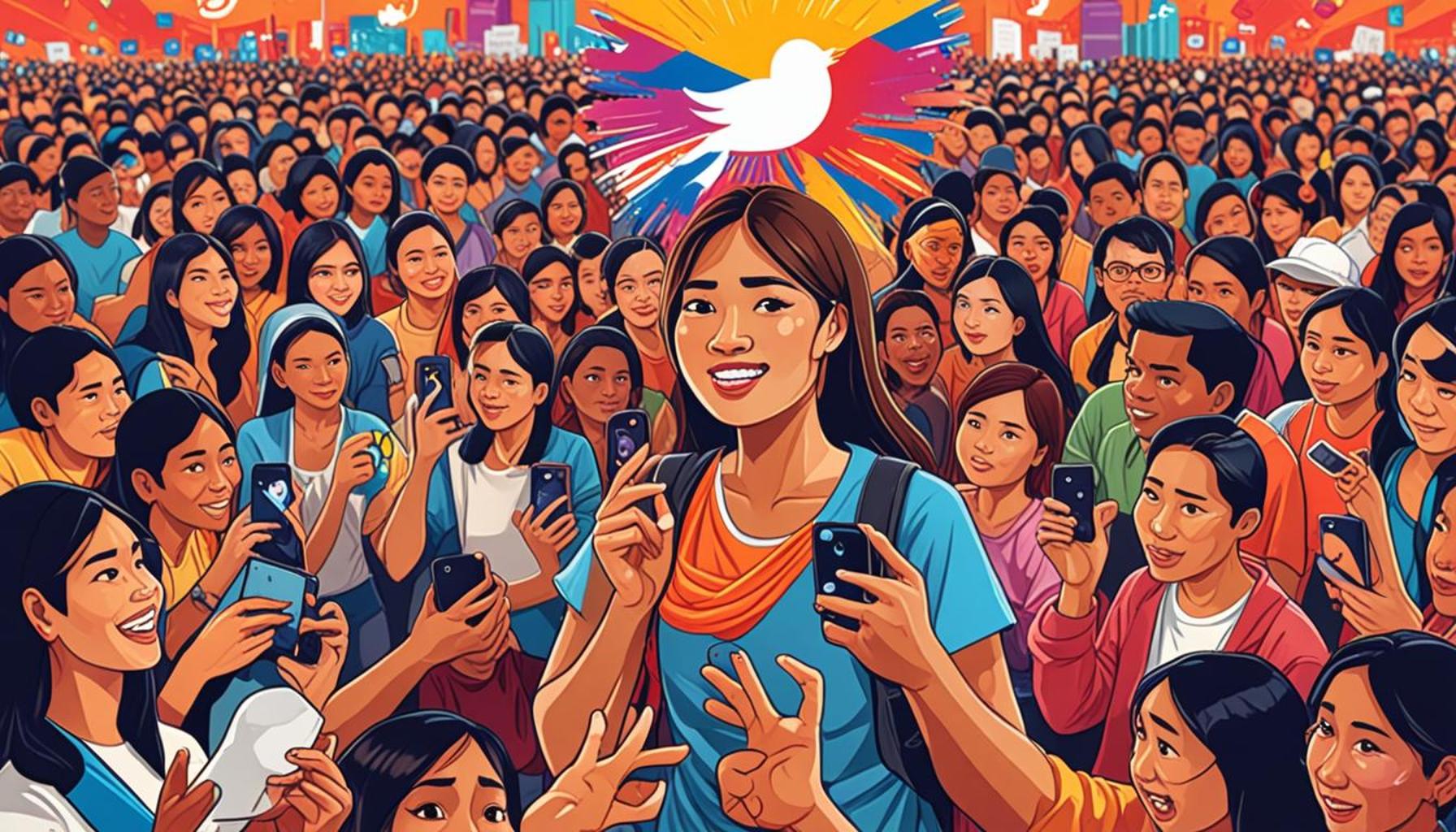
In recent years, several movements have demonstrated how social media can galvanize people around specific causes. The rise of hashtags such as #FeministTayo or #BoysWillBeBoys highlights ongoing discussions about gender equality and the fight against harassment. These hashtags often lead to broader conversations, creating waves of awareness that challenge societal norms. Such mobilization is not limited to internal discourse; it has led to organized rallies, discussions, and campaigns that put pressure on lawmakers to consider systemic changes.
Moreover, the significance of social media extends to its ability to amplify marginalized voices. Many individuals who typically face barriers in traditional media find a platform on social media to express their concerns and advocate for change. For instance, indigenous communities and those in rural areas can share their stories, drawing attention to issues like land rights and environmental conservation. The visibility provided by social media helps raise awareness and fosters dialogue that was previously impossible or marginalized.
Examples of Social Media in Activism
To understand how deeply ingrained social media activism has become in Filipino culture, consider the following examples:
- The #WearAMaskChallenge: This campaign emerged during the pandemic as a means to encourage compliance with health protocols without the stigma attached to mask-wearing. Users shared photos of themselves wearing masks, reinforcing the message that protecting each other is essential.
- Online Petitions: Platforms like Change.org have gained traction in the Philippines, with many petitions circulating to gather support for various causes, from environmental policies to educational reform.
- Community Fundraisers: Filipinos regularly utilize social media to initiate digital fundraisers for medical emergencies, educational support, or community projects, demonstrating the power of collective action.
These instances illustrate the profound implications of social media in driving social change, bridging gaps between diverse communities, and empowering individuals to advocate for their causes actively. The inherent democratization of information on these platforms has transformed the landscape of activism in the Philippines, making it more accessible and impactful for everyone involved.
CHECK OUT: Click here to explore more
Organizing and Coordinating Efforts
Beyond the initial mobilization, social media plays a crucial role in the organization and coordination of activism efforts within the Philippines. Platforms like Facebook, Twitter, and Instagram are not just venues for discussion but also vital tools for orchestrating events and gatherings, enabling activists to connect with like-minded individuals. The ease of creating events on platforms like Facebook allows organizers to reach potential participants quickly and efficiently. For instance, protest actions are often planned through these channels, where users can RSVP, share details with others, and even coordinate logistics such as transport and materials needed for the event.
This functionality was notably observed during the “#NasaanAngBise Presidente” movement in 2020, where Filipino citizens expressed their frustrations over the perceived absence of government accountability during the COVID-19 pandemic. Social media was pivotal in rallying citizens to gather in various locations, share their sentiments, and pressure leaders to act. By utilizing posts, stories, and shared images, participants were able to keep the momentum going, ensuring the message reached a broader audience.
Advocacy and Education
Social media also serves as a platform for advocacy and education, crucial components for raising awareness about social issues. Influencers, activists, and grassroots organizations leverage their online presence to educate the public on pressing matters such as poverty, corruption, and environmental sustainability. Through informative graphics, engaging videos, and captivating narratives, social media makes complex topics more accessible. For instance, environmental groups utilize social media to educate citizens about the consequences of illegal logging and plastic pollution, imparting actionable steps that individuals can take to mitigate these issues.
Additionally, campaigns that raise awareness of mental health issues are becoming increasingly prominent. For example, the hashtag #MentalHealthAwareness has gained traction in the Philippines, giving individuals a platform to share their experiences with mental illness while encouraging dialogue and understanding around the subject. This shift toward open conversations about mental health plays an essential role in breaking down stigma and garnering support for better mental health resources.
Influencing Policy and Change
Social media does not merely function as a platform for activism; it actively influences policy and societal change. Filipino activists have successfully used social media to lobby for new legislations or amendments to existing laws. For example, campaigns for anti-discrimination laws have gained widespread traction online, illustrating the power of social media in transforming public opinion. The visibility generated through likes, shares, and comments enables the public to communicate their demands directly to lawmakers, making it increasingly difficult for them to ignore pressing social concerns.
Moreover, public officials are increasingly aware of social media’s power. As citizens express their needs directly through these platforms, they pressure government representatives to respond to critical issues. The viral nature of online petitions and campaigns amplifies this effect, translating digital activism into a call for action in the policy arena.
In essence, social media has proven to be a multifactored tool in shaping the activism landscape in the Philippines. Whether through organizing events, educating the public, or advocating for policy change, its role in social mobilization is critical and continues to evolve as new generations engage with the platform.
SEE ALSO: Click here to read another article
Conclusion
As we reflect on the significant impact of social media in the Philippines, it is clear that these platforms are not merely tools for communication, but rather powerful enablers of social mobilization and activism. The ability to organize and coordinate efforts swiftly allows activists to bring attention to pressing social issues and gather masses to advocate for change. Movements like “#NasaanAngBise Presidente” exemplify how collective frustration can be transformed into a call for accountability and action.
Furthermore, social media platforms serve as critical venues for advocacy and education. By providing accessible information and diverse narratives, they empower citizens to engage in meaningful discourse about complex societal issues ranging from poverty to environmental degradation. Social media has become a vital educational tool that fosters understanding and dialogue, such as the growing conversations around mental health awareness that break down stigmas and support needed reforms.
Moreover, the capacity of social media to influence policy and societal change cannot be overstated. Activists have successfully turned online petitions and campaigns into tangible legislative efforts, illustrating a sophisticated interplay between digital activism and political response. As policymakers increasingly recognize the power of social media, it is evident that public opinion shaped online carries significant weight in the halls of government.
In summary, social media stands as a transformative force in the landscape of activism in the Philippines, fostering organization, education, and advocacy. As new generations continue to harness these digital tools, the landscape of social mobilization will undoubtedly evolve, offering continued promise for systemic change in the pursuit of justice and equality.