How Social Media is Transforming the Live Event Experience
The Evolution of Live Events through Social Media
Throughout history, live events have provided a unique platform for people to connect with one another. Traditionally, attendees relied on physical presence and direct interactions to create memorable experiences. However, with the advent of social media, the dynamics of how individuals engage during these events have undergone significant transformations.
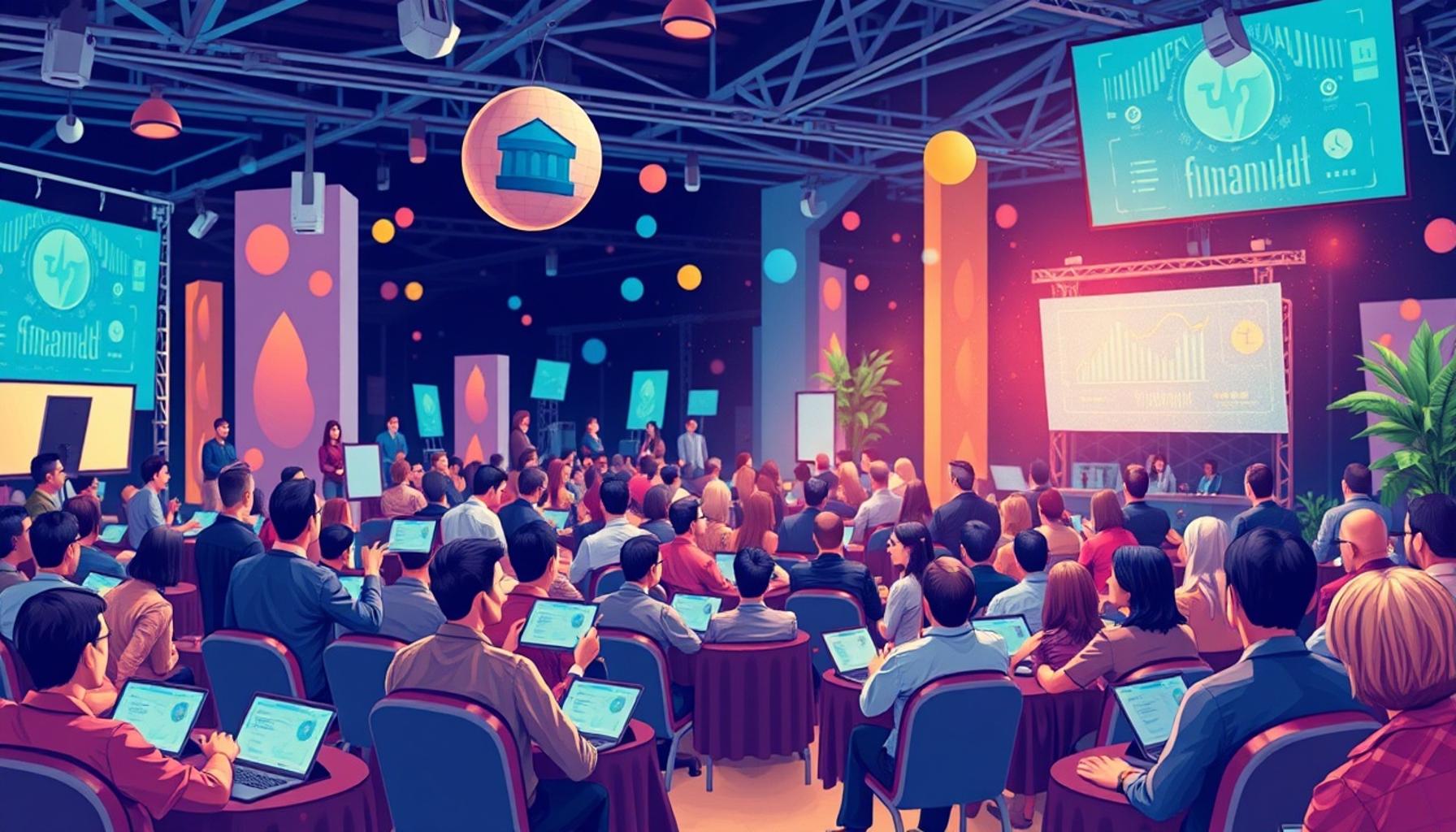
One of the most notable changes is the emergence of real-time interaction. Nowadays, attendees can use platforms like Twitter and Instagram to share their thoughts, photos, and videos instantly. For instance, during a music festival, participants often tweet about their favorite performances, post live updates, and engage with fellow festival-goers online. This interaction facilitates a sense of community among those present, while also inviting followers from around the world to join in on the excitement virtually. In this way, the event experience is shared and amplified, reaching beyond physical boundaries.
Additionally, social media has allowed events to achieve a wider reach than ever before. Many organizers now offer virtual attendance options, allowing individuals from different parts of the globe to participate in events they might otherwise miss. For example, a tech conference can live stream its keynote speeches, allowing professionals who cannot travel to attend the opportunity to access cutting-edge information in real time. As a result, the potential audience expands exponentially, often boosting ticket sales or participation rates significantly.
Another dynamic brought to the forefront by social media is increased engagement through the use of hashtags and challenges. Organizers can create event-specific hashtags that attendees can use to share their thoughts and photos, fostering a digital conversation about the event. For example, the hashtag #SXSW has become synonymous with the South by Southwest festival, allowing participants to easily find related content and interact with one another. Moreover, various platforms encourage challenges that prompt attendees to engage creatively, such as photo contests or sharing experiences through video snippets.
In conclusion, the rise of social media has not only enhanced the planning and promotion of live events but has dramatically reshaped how we experience them. By enabling real-time interactions, broadening participation, and boosting engagement through creative means, social media is transforming the live event landscape. As we continue to explore these changes, it becomes increasingly essential for both event organizers and attendees to adapt to and embrace this evolving environment.
DON’T MISS OUT: Click here to find out how to apply
Real-Time Connection and Interaction
One of the most significant impacts that social media has had on live events is the facilitation of real-time connection and interaction. Attendees are no longer mere observers; they are active participants who can engage with the event, speakers, and fellow guests from their devices. For instance, during major sporting events like the Super Bowl, viewers frequently take to platforms such as Twitter and Facebook to comment on plays, share their excitement, or even express their frustrations. This engagement not only heightens the atmosphere but also creates a vibrant online community surrounding the event.
The power of hashtags plays a vital role in this real-time interaction. By using specific event hashtags, attendees can easily navigate conversations related to the event, post relevant content, and engage with others sharing similar experiences. For instance, if you’re attending a concert, using a hashtag like #ColdplayLive will allow you to connect with other fans, share your favorite moments, and find content that captures the spirit of the event even if you’re thousands of miles away from your friends.
Moreover, live social media updates allow the audience to influence the event as it progresses. Organizers can post questions or polls, inviting attendees to share their opinions or vote on specific topics. This kind of interaction boosts attendee engagement significantly. For example, during a tech convention, an organizer might ask attendees which technology topics they are most interested in seeing covered. The responses can then dictate the focus of future panels or discussions, creating a more tailored and fulfilling experience for all involved.
Wider Reach and Digital Attendance
Social media has also made it possible for events to have a wider reach than ever before. The old model of limiting attendance to only those physically present no longer applies. Events are now utilizing live streaming technologies to include virtual attendees who cannot attend in person. This strategy has been particularly effective during the pandemic, when many conferences and festivals shifted online. A notable example is the virtual Sundance Film Festival, which allowed enthusiasts worldwide to access exclusive screenings and discussions that were previously only available to those in Utah.
Furthermore, the ability to interact through social media platforms has transformed the way remote attendees participate. They can comment on streams, ask questions in real-time, and engage in discussions, creating a similar feeling to being there physically. This not only integrates digital audiences into the larger community but also enhances the overall experience, making it feel more holistic and inclusive.
This expanded reach is critical for event organizers aiming to boost ticket sales and interest. Here are a few strategies that have emerged to optimize participation through social media:
- Live Streaming: Offering live video feeds of keynotes and performances.
- Interactive Polls and Q&As: Engaging both in-person and online attendees.
- Exclusive Content: Providing behind-the-scenes access through social media.
In summary, social media has fundamentally altered how live events are experienced by enabling real-time connection, broadening access, and allowing an interactive environment. As a result, both attendees and organizers must recognize and adapt to these shifts, ensuring that they leverage social media’s potential for a truly transformative experience.
DISCOVER MORE: Click here for easy application tips
Enhanced Promotion and Marketing Strategies
Another pivotal way social media is transforming live events is through enhanced promotion and marketing strategies. In the past, event organizers relied heavily on traditional advertising methods such as print media, radio, and television to generate buzz. Today, social media platforms have become essential tools for reaching targeted audiences quickly and effectively. For example, platforms like Instagram and Facebook allow organizers to create event pages that can instantly share updates, sell tickets, and attract interest within their networks.
Event marketers have recognized the importance of creating visually appealing promotional content, such as teaser videos or behind-the-scenes footage leading up to the event. This not only attracts potential attendees but also generates excitement among those already committed to attending. The power of visual storytelling cannot be underestimated; a well-produced clip showcasing last year’s festival highlights or a sneak peek of guest speakers can entice users to buy tickets immediately. Additionally, users often share these posts, which can lead to exponential reach and visibility.
Another effective strategy used by event organizers is influencer partnerships. Collaborating with social media influencers who align with the event’s brand and values can create authentic buzz and expand reach to niche audiences. For instance, a music festival may partner with popular local musicians or lifestyle influencers, prompting their followers to engage with the event. This word-of-mouth style marketing builds credibility and can significantly increase attendance as fans are swayed by the opinions of those they admire.
Creating Memorable Experiences Through User-Generated Content
Alongside promotional strategies, social media also fosters the creation of memorable experiences through user-generated content. Attendees are encouraged to document their experiences during events and share them using specific hashtags, fostering a sense of community and belonging among participants. For instance, during the annual Coachella music festival, attendees often capture and share their unique outfits, favorite performances, and festival vibes via their social media accounts, thereby shaping collective memories.
This user-generated content serves a dual purpose: it acts as organic promotion for the event and enhances the attendee experience. When guests see their friends or fellow attendees posting about the event, it not only reinforces the FOMO (Fear of Missing Out) culture for those who couldn’t attend but also enhances the experience for those who are present by creating a fuller narrative around the event. Organizers can take advantage of this content by sharing curated images and stories on their official channels, effectively highlighting the energy and emotion of the event while boosting engagement.
Moreover, many events implement photo booths or interactive installations that encourage live sharing on social media. These features often include custom backdrops and props that align with the event’s theme, resulting in shareable moments that are highly appealing to attendees. This strategy not only enhances the experience but also generates valuable media coverage and visibility for future events.
Through these innovative promotional approaches and the power of user-generated content, social media is reshaping how events are marketed and experienced. It’s an evolving landscape where connection, creativity, and community play a central role in enhancing the live event experience for everyone involved.
DIVE DEEPER: Click here for step-by-step tips
Conclusion
In summary, social media is fundamentally reshaping the landscape of live events by enhancing both promotion and participant engagement. The shift from traditional marketing methods to dynamic social media strategies has enabled event organizers to reach wider audiences more effectively. By utilizing visually appealing content, creating event-specific pages, and collaborating with influencers, organizers can generate excitement and anticipation well before the event begins.
Moreover, social media drives the creation of memorable experiences through user-generated content, fostering a sense of community. Attendees now play a vital role in the storytelling of an event, capturing and sharing their experiences that serve to enrich the narrative. Platforms like Instagram and TikTok allow guests to connect not only with fellow participants but also with those unable to attend, generating a buzz that can significantly enhance future attendance.
As we move forward, it is clear that social media’s role in live events will continue to evolve. Organizers must remain adaptable, leveraging new features and trends to cultivate interactions that resonate with their audiences. By embracing the potential of social media, event organizers can not only enhance the attendee experience but also create lasting memories that keep engagement thriving long after the event concludes. Ultimately, the synergy of technology and community in this space opens up exciting possibilities for live events in the years to come.

Linda Carter
Linda Carter is a writer and expert known for producing clear, engaging, and easy-to-understand content. With solid experience guiding people in achieving their goals, she shares valuable insights and practical guidance. Her mission is to support readers in making informed choices and achieving significant progress.