
The Role of Social Media in the Dissemination of Fake News During Elections in the USA
Understanding the Impact of Social Media on Information Sharing
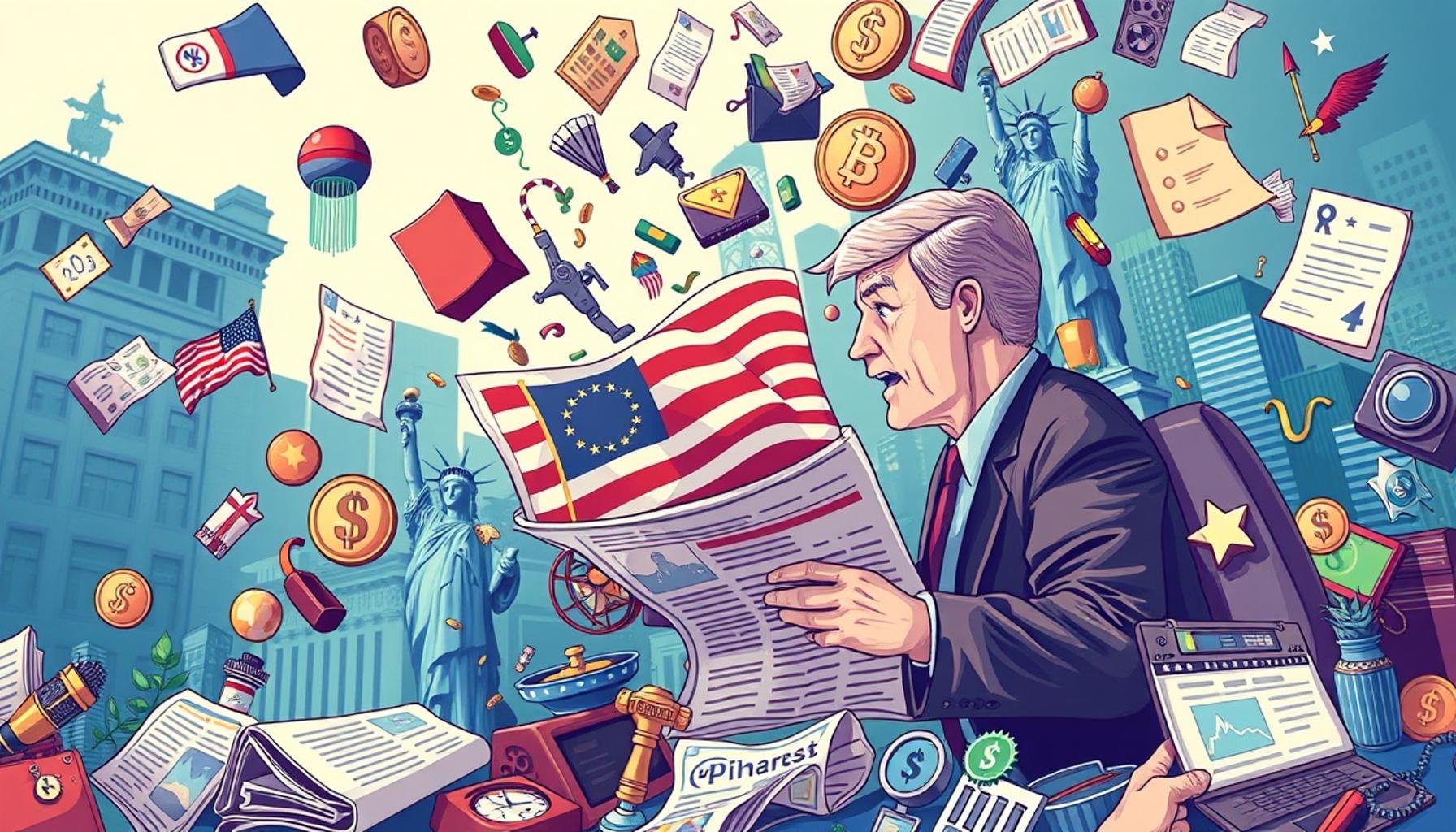
In recent years, social media has transformed the way information is shared and consumed, particularly during critical events like elections. Its rapid growth and widespread use have created both opportunities and challenges in the political landscape. The ability for individuals to access and disseminate information instantly has sparked a revolution in communication, but it also presents significant risks, especially when it comes to the integrity of the information being shared.
One of the most pressing issues arising from this landscape is the dissemination of fake news, which can influence public opinion and voter behavior. This phenomenon is fueled by a combination of factors, including:
- Algorithms that prioritize sensational content over factual reporting. For example, platforms like Facebook and Twitter use complex algorithms that tend to promote posts with emotional appeal or controversial content, often at the expense of accuracy. This can result in a flood of misleading information gaining more visibility than well-researched articles.
- Spreading misinformation through shares and retweets, often without fact-checking. It’s not uncommon for individuals to share posts that they find engaging, without confirming their validity. A study found that false information spreads six times faster on Twitter than true information, indicating a worrying trend in how news is consumed.
- Echo chambers, where like-minded individuals reinforce distorted views. Social media tends to connect users with others who share similar beliefs, creating an environment where misinformation can thrive. For instance, during the 2016 U.S. presidential election, many voters were subjected to a barrage of information that confirmed their pre-existing biases, further entrenching divisions within society.
During the electoral process, the impact of fake news can be profound, as it can:
- Manipulate voter perceptions about candidates. For example, false narratives about a candidate’s personal or professional life can drastically alter public opinion and affect voter turnout.
- Spread lies about voting procedures and regulations. Misleading information regarding voter ID laws or polling locations can confuse voters, potentially resulting in lower election participation or even disenfranchisement.
- Polarize political debates and deepen societal divisions. The prevalence of fake news can exacerbate tensions between political parties, transforming healthy discussion into heated, divisive arguments.
As we examine the role of social media in this context, it is crucial to understand how these platforms operate and the responsibilities they hold. By shedding light on the mechanisms behind fake news, we aim to empower readers with the knowledge necessary to critically evaluate the information they encounter online. Media literacy has never been more important, and being equipped with the skills to discern credible sources from questionable ones is essential for participating effectively in today’s democratic processes.
In conclusion, as social media continues to evolve, so too must our understanding of its implications for society, particularly during critical moments such as elections. By remaining vigilant and informed, we can contribute to a healthier discourse and ensure that our democratic values are upheld.
DISCOVER MORE: Click here to learn about the advantages and disadvantages
Mechanisms of Misinformation on Social Media
To fully grasp the role of social media in spreading fake news during elections, it is essential to delve into the mechanisms that fuel this phenomenon. Social media platforms are designed for rapid information sharing, but this very feature can become a double-edged sword when it comes to factual integrity. Understanding how misinformation spreads is critical for both consumers and creators of content alike.
One of the primary mechanisms is the virality of content. Social media allows users to share posts with just a click, creating a snowball effect. For example, during the 2020 U.S. presidential election, misleading stories about candidates went viral in moments, reaching thousands of users before they could be fact-checked. This ability to spread misinformation rapidly can create an overwhelming atmosphere where accurate information struggles to keep pace.
Moreover, the nature of user-generated content plays a significant role. Anyone with an internet connection can create and publish content on social media platforms, often bypassing traditional journalistic standards. This democratization of information can lead to a blend of credible news and dubious claims, making it challenging for users to discern what is trustworthy. In many instances, individuals may trust information shared by friends or family, treating it as credible because of its personal connection, regardless of its source.
Another factor to consider is the role of clickbait headlines. These sensationalized titles are designed to grab attention, often at the expense of truth. During elections, many posts with exaggerated claims or misleading narratives gain traction due to their emotional appeal. For instance, a headline alleging a scandal involving a political figure may be more likely to be shared than a balanced article discussing policy issues. Users may find themselves more engaged with these stories, inadvertently promoting false information to their networks.
Additionally, the concept of confirmation bias plays a significant role in information sharing. Individuals tend to seek out and share information that aligns with their existing beliefs and perspectives. This tendency can lead to the creation of feedback loops, where users are continuously exposed to the same misinformation, reinforcing their views. For example, political groups on social media often curate content that resonates with their ideologies, creating a space where misleading information can be embraced as fact.
Lastly, the lack of regulation on social media platforms contributes to the challenge. While some companies are taking steps to combat misinformation, the sheer volume of content makes oversight difficult. Furthermore, the resources dedicated to fact-checking can be minimal compared to the amount of traffic and engagement these posts receive. The overall effect is that misinformation often lingers longer than factual corrections, further complicating the issue.
As we navigate the complicated interplay between social media and election-related misinformation, it is crucial to remain aware of these mechanisms. By understanding how information is shared and the psychological factors at play, individuals can become more discerning consumers of news, ultimately bolstering the integrity of democratic processes. Empowering citizens with the knowledge to recognize misleading content can create a more informed electorate, promoting healthier political discourse.
DISCOVER MORE: Click here to uncover the ultimate guide to requesting freebies
Impact of Algorithms and Personalization
In addition to the mechanisms already discussed, another crucial aspect influencing the spread of fake news during elections is the role of algorithms and personalization on social media platforms. These algorithms are designed to prioritize content that maximizes user engagement, often at the expense of accuracy. When users interact positively with posts—regardless of whether they contain true or false information—the algorithms learn to display similar content more frequently. This creates a cycle that continuously feeds users sensational or misleading news stories.
For example, if a person shares or comments positively on a politically charged article, the algorithm interprets this behavior as an indicator of interest. Consequently, it will begin to show more of the same type of content, potentially amplifying any false narratives. This effect is particularly pronounced during election seasons when emotionally charged content tends to generate more engagement, leading users deeper into partisan echo chambers where fake news can flourish.
The Role of Echo Chambers
Social media platforms act as fertile ground for the formation of echo chambers, where users are exposed predominantly to information that echoes their own beliefs. Within these environments, fake news can thrive without being challenged. When users only engage with friends, groups, and pages that share their political leanings, they are less likely to encounter differing viewpoints or fact-checking efforts. This isolation reinforces their original beliefs, making them more susceptible to accepting misinformation as truth.
During elections, these echo chambers can become particularly dangerous. For instance, a misleading video claiming voter fraud can spread rapidly among communities that are already skeptical about the election process. As members of this community share the video with their networks, the misinformation is amplified, and any attempts to debunk such claims may be dismissed as bias or censorship.
The Influence of Influencers and Spreaders
Another significant factor in the dissemination of fake news on social media is the role of influencers and misinformation spreaders. Influencers, celebrities, and those with large followings have the power to shape public opinion swiftly. If an influential figure shares a piece of misinformation, it can reach vast audiences in a matter of minutes. During the 2020 election, several social media influencers posted content that either misrepresented facts or perpetuated conspiracy theories, contributing to the broader landscape of misinformation. The credibility that these figures hold among their followers can lend undue weight to false narratives, making it imperative for audiences to critically assess the information being shared by such personalities.
Consequences of Misinformation
The consequences of fake news dissemination during elections are not merely academic; they have real-world implications. Misinformation can lead to decreased voter turnout, misconceptions about candidates or policies, and even incite fear or outrage among the public. As individuals become increasingly polarized based on the information consumed from social media, the potential for political violence or civil unrest escalates. Polls conducted post-elections have indicated that a significant percentage of voters reported being influenced by misleading information, impacting their voting decisions.
Understanding these broader dynamics and influences is vital for navigating the intricate landscape of social media during elections. As misinformation persists in the digital space, it calls for a collective responsibility among users to engage critically with the information they encounter and share. This vigilance can help foster a more informed electorate, safeguarding the democratic process and ensuring that elections reflect the true will of the people.
DISCOVER MORE: Click here for a step-by-step guide
Conclusion
As we navigate the complex landscape of social media during elections in the USA, it becomes increasingly clear that its role in disseminating fake news cannot be understated. The structural dynamics of algorithms prioritize engagement over accuracy, leading to a concerning increase in the visibility of sensational and misleading information. Coupled with the formation of echo chambers, where users reinforce their beliefs without exposure to differing perspectives, the potential for misinformation to thrive grows significantly.
Moreover, the influence of well-known figures—be they influencers or public personalities—can amplify false narratives to vast audiences, impacting voter perceptions and behaviors. The implications of this misinformation are profound, with the potential to skew electoral outcomes and diminish trust in the democratic process. As we have seen, this can ultimately lead to a polarized society, where divisions deepen and attempts at constructive dialogue are undermined.
To address these challenges, it is essential for individuals to take a proactive approach. By engaging critically with the content shared online, verifying sources, and challenging misleading information, users can contribute to a healthier information ecosystem. In doing so, we can foster an informed electorate that holds the power to shape a democracy reflective of the true will of the people. Ultimately, understanding the interplay between social media and fake news is not merely a matter of academic interest but a necessity for safeguarding our democratic values in an age defined by digital communication.

Linda Carter
Linda Carter is a writer and expert known for producing clear, engaging, and easy-to-understand content. With solid experience guiding people in achieving their goals, she shares valuable insights and practical guidance. Her mission is to support readers in making informed choices and achieving significant progress.